
Wells in the Bible: Historical, Spiritual, and Prophetic Insights
Please note that this article may contain affiliate links. As an Amazon Associate, I earn on qualifying purchases at no additional cost to you. You can read more at the bottom of this page or read my full disclosure on my Affiliate Disclosure Page
In the ancient world, wells were lifelines — not just sources of physical water, but gathering places, signs of God’s provision, and symbols of deep spiritual truth. When we look at wells in the Bible, we see more than just ancient structures; we find powerful lessons for believers in Yeshua today about renewal, inheritance, and the calling to draw from the living waters of God Himself.
In this post, we’ll explore the history, meaning, and prophetic symbolism of wells in the Bible, and see how they still speak to our lives today.
Don’t miss your free download of our Wells in the Bible Study, Reflection, and Action Challenge Guide! This printable resource includes worksheets, thought-provoking questions, and action challenges to help you on your faith journey. Best of all, no sign-up is required—grab your copy at the end of this post!
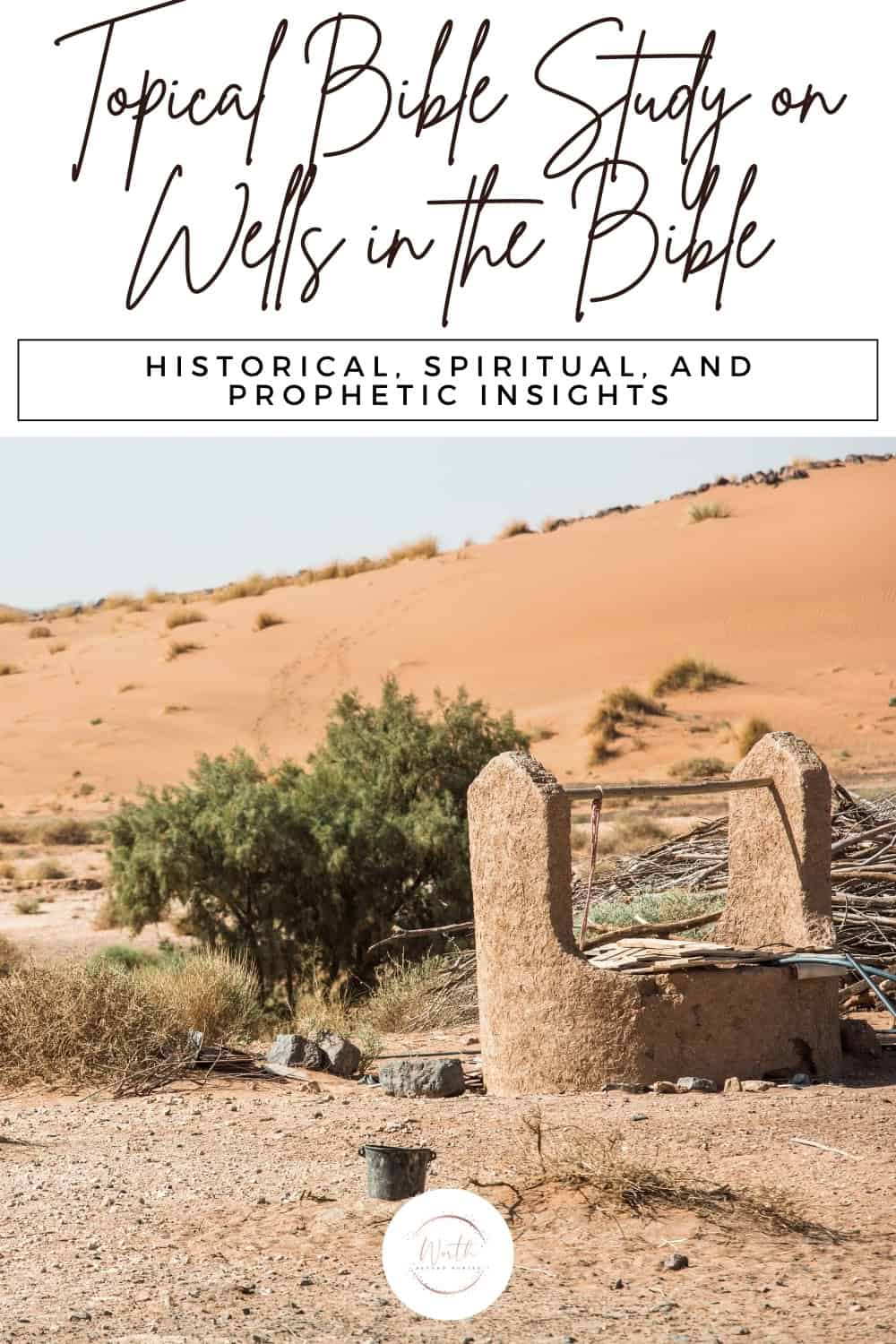
Wells in the Bible: A Literal Overview
In biblical times, wells (בְּאֵרוֹת, be’erot) were essential for survival. Located primarily in arid regions, they were the heart of a community. Shepherds, travelers, and entire families relied on wells to sustain life. Without a reliable water source, a city or encampment simply could not exist.
Wells were often dug by hand — a labor-intensive and dangerous process. Owning a well meant controlling one of the most valuable resources in the land. Wells were not merely practical; they represented prosperity, stability, and divine blessing.
Importance of Wells in Ancient Israel
Wells symbolized much more than survival. In the Hebrew Scriptures, we see that to possess a well was to possess the land itself. Wells served as:
- Places of treaties and truces
- Boundary markers between tribes
- Centers of social life and commerce
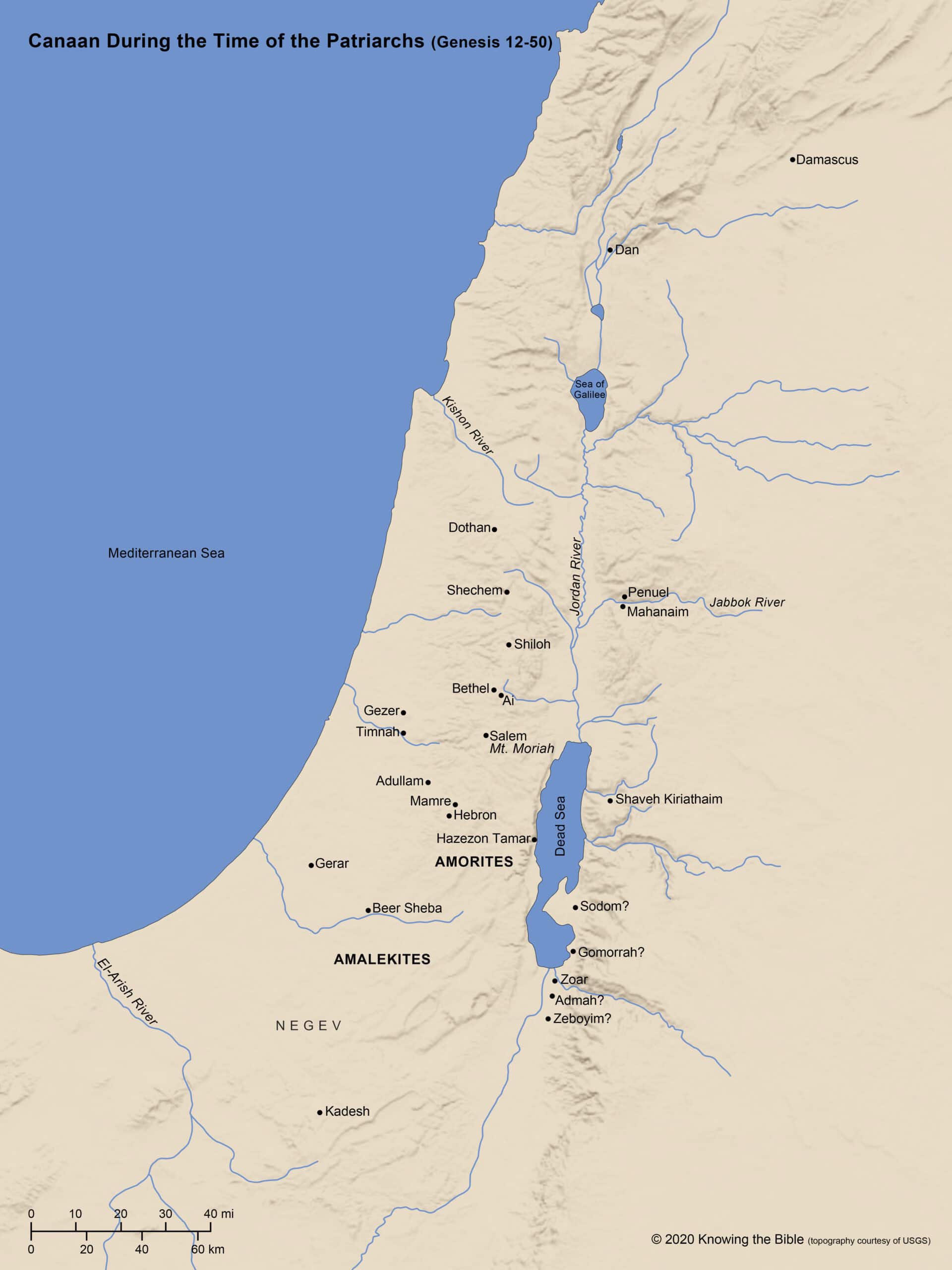
In a land of famine and scarcity, a flowing well could mean the difference between life and death. Abraham’s covenant with Abimelech at Beersheba involved a dispute over wells (Genesis 21:25-34).
When Abimelech’s servants seized a well that Abraham’s men had dug, it created tension between them, highlighting how precious and fiercely protected wells were in biblical times. To resolve the conflict, Abraham set aside seven ewe lambs as a witness that he had established the well, and the two men made a formal covenant at Beersheba, whose name (בְּאֵר שֶׁבַע, Be’er Sheva) can be understood as “Well of the Oath” or “Well of Seven.”
This agreement not only secured Abraham’s access to the water but also symbolized a broader blessing of peace, provision, and future inheritance for his descendants.
Key Wells in the Bible and Their Stories
Hagar at the Well
In Genesis 16, Hagar, the Egyptian maidservant of Sarah, encountered the Angel of Adonai by a spring of water in the wilderness. This well became a place of revelation and hope. She named God El Roi — “the God who sees me” — because He saw her in her distress.
Isaac and the Wells of Rehoboth
Genesis 26 tells us that Isaac reopened the wells dug by his father Abraham, which had been stopped up by the Philistines. After multiple disputes, Isaac finally dug a well he named Rehoboth (רְחֹבוֹת), meaning “broad places,” declaring, “For now Adonai has made room for us, and we will be fruitful in the land.”
Each well Isaac reopened was a declaration that God’s promises were still alive, despite opposition and conflict. His persistence reminds us that sometimes spiritual renewal doesn’t come from chasing new things, but from returning to the foundational truths that have been covered over by neglect, opposition, or the passage of time.
Jacob’s Well
In John 4, we find Yeshua sitting by Jacob’s Well in Samaria. It is here that He offers the Samaritan woman “living water” — a profound fulfillment of ancient hope. Jacob’s Well, a literal site, becomes a meeting place between the physical and the eternal.
Prophetic Symbolism of Wells in Scripture
Throughout Scripture, wells are a prophetic picture of spiritual renewal and inheritance. They symbolize:
- The provision of God for His people
- The work of the Ruach HaKodesh (Holy Spirit) in refreshing the soul
- The inheritance of the promises given to Abraham, Isaac, and Jacob
Proverbs 10:11 says “The mouth of the righteous is a fountain of life,” linking wells to the life-giving power of righteousness and truth.
Re-Digging the Wells: Modern Spiritual Application
Genesis 26 shows us that Isaac didn’t just dig new wells — he re-dug the old wells his father Abraham had established.
In Messianic Jewish understanding, this points to believers restoring the foundational truths of faith: Torah, covenant, grace, and the life-giving waters of the Messiah.
In our lives today, “re-digging wells” can mean reclaiming our spiritual inheritance — clearing away the debris of sin, compromise, and tradition that blocks the flow of living water.
Archaeological Discoveries Related to Biblical Wells
Sites like Jacob’s Well near Nablus (ancient Shechem) have been preserved and honored for centuries. Archaeologists have found evidence of ancient cisterns and wells throughout Israel, confirming the biblical emphasis on these life-giving structures.
These findings give credibility to the biblical accounts and help us appreciate the immense effort it took to establish a secure water source in the ancient Near East.
Wells as Meeting Places: Social and Romantic Significance
Wells were not only practical but social hubs. Important meetings and even marriages began at wells:
- Abraham’s servant found Rebekah at a well (Genesis 24).
- Jacob met Rachel at a well (Genesis 29).
- Moses met Zipporah at a well (Exodus 2).
Each encounter shaped the destiny of God’s people. Wells represent divine appointments — moments when God steps into the ordinary to carry out His extraordinary plans.
Wells as Boundaries and Places of Conflict
Wells were often the center of disputes. In Genesis 26, the Philistines contested Isaac’s wells, forcing him to move repeatedly. Ownership of a well symbolized rightful claim to the land.
Spiritually, wells represent the battle over blessing and inheritance. Just as Isaac faced opposition, believers must contend for their spiritual promises today.
Wells in Biblical Poetry and Psalms
The Psalms and prophetic writings use the imagery of wells and springs to express longing and renewal. Psalm 84:7 says:
“Passing through the Valley of Baca, they make it a spring.”
TLV
Even places of sorrow can become places of life when God’s presence flows like a wellspring within us.
Wells in Prophetic Visions and Christian Theology
Wells appear throughout prophetic literature as signs of the Spirit’s work. Isaiah 12:3 promises:
“With joy you will draw water from the wells of salvation.”
TLV
In Hebrew, the word for salvation is יְשׁוּעָה (yeshu’ah), beautifully linking back to Yeshua Himself as the source of living water.
In John 7:37-39, Yeshua cried out, “If anyone is thirsty, let him come to Me and drink!” Believers are invited not only to drink but to become wells of living water themselves, overflowing to bless others.
How Wells Symbolize Inner Life and Renewal
Wells teach us about the inner life. A dried-up well speaks of a heart disconnected from God. A flowing well speaks of a vibrant spiritual life.
Mussar teaches that self-examination is like cleaning a well — removing the debris that clogs the flow of life. As believers in Yeshua, we are called to continually renew our hearts through prayer, Scripture, and repentance, keeping the living waters fresh within us.
My Final Thoughts
Wells in the Bible are far more than ancient water sources. They are powerful spiritual symbols, teaching us about God’s faithfulness, our inheritance in Him, and the renewal He offers through Yeshua.
As we re-dig the wells of our spiritual life, clearing away distractions and sin, we make room for the living waters to flow freely once again.
What about you? Have you found yourself needing to re-dig the wells of your life? Share your thoughts in the comments below! And if you want to explore these deep truths even more, come join our Besorah Bible Study Facebook group — we would love to grow together with you!
Don’t forget to download your free copy of our Wells in the Bible study, Reflection and Action Challenge guide below!
Want to dig even deeper? Here’s a simple Bible study you can use to explore how wells show up throughout the Bible — and how they still speak to our lives with Yeshua today.
Digging Deeper: A Topical Bible Study on Wells in the Bible
Theme:
Wells as places of provision, encounter, covenant, conflict, and spiritual renewal.
Introduction:
In Scripture, wells are not only essential for life; they are places where God meets His people, reveals His promises, and refreshes weary souls. This Bible study invites you to journey through some of the key “well moments” in the Bible, asking God to reveal how He wants to fill and refresh your life today.
Key Scriptures to Study and Reflect On:
- Genesis 16:7-14 — Hagar meets the Angel of Adonai at a spring in the wilderness.
Reflection: How does God show Himself as the One who sees you even in the wilderness seasons of your life?
Prayer Prompt: Thank God for seeing you in your hard places. - Genesis 21:22-34 — Abraham and Abimelech settle a dispute over a well at Beersheba.
Reflection: What can you learn about making peace with others when your resources, blessings, or boundaries feel threatened?
Prayer Prompt: Ask God for wisdom and humility in relationships where conflict exists. - Genesis 24:10-27 — Abraham’s servant finds Rebekah at a well, leading to Isaac’s marriage.
Reflection: How does God’s leading often happen in everyday moments like drawing water?
Prayer Prompt: Pray for discernment to see divine opportunities hidden in your daily life. - Genesis 26:12-33 — Isaac re-digs his father’s wells and finds space at Rehoboth.
Reflection: In what areas of your spiritual life might God be calling you to clear away old obstacles and rediscover His provision?
Prayer Prompt: Ask God to reveal any “stopped-up wells” that He wants to restore. - Exodus 2:15-22 — Moses flees Egypt and meets his future wife at a well.
Reflection: How can God use unexpected or painful transitions to set you in a place of blessing?
Prayer Prompt: Surrender your current uncertainties to God’s perfect timing and placement. - John 4:1-26 — Yeshua offers the Samaritan woman living water at Jacob’s Well.
Reflection: What does it mean to drink of the living water that Yeshua offers? Are there areas of your life where you are still spiritually thirsty?
Prayer Prompt: Invite Yeshua to fill every dry place in your heart with His living water. - John 7:37-39 — Yeshua calls the thirsty to come and drink.
Reflection: How does the Holy Spirit work like a river of living water inside those who believe?
Prayer Prompt: Ask for a fresh filling of the Ruach HaKodesh (Holy Spirit) in your life. - Revelation 7:17; Revelation 22:1-2 — The Lamb leads His people to springs of living water in the New Jerusalem.
Reflection: How does the promise of future, eternal refreshment strengthen your hope today?
Prayer Prompt: Thank God for the hope of complete renewal and restoration in His Kingdom.
Reflection Questions:
- How do the different well stories show God’s heart to provide, restore, and lead His people?
- Where in your life are you feeling spiritually dry, and how is God inviting you to come to Him for refreshment?
- Which biblical character’s encounter at a well speaks most deeply to your current season of life?
Challenge for the Week:
Choose one “well story” that stood out to you. Write it down, pray through it, and ask God to show you how He wants to meet you at your own “well” this week.
Optional Closing Prayer:
Father, thank You for being the Source of living water. Thank You for seeing me in the dry places, meeting me in the everyday moments, and offering me life that never runs dry. Help me to guard the wells You have given me, to re-dig where the enemy has stopped up the flow, and to trust that Your Spirit will spring up fresh in my heart each day. In Yeshua’s name, Amen.
Frequently Asked Questions About Wells in the Bible
What is the most famous well in the Bible?
Jacob’s Well, located in Samaria, is probably the most famous. It’s where Yeshua spoke to the Samaritan woman in John 4.
Why were wells so important in biblical times?
Wells were essential for survival. They provided water in dry regions, determined settlement patterns, and were considered a divine blessing.
What is the spiritual meaning of wells in the Bible?
Wells symbolize provision, spiritual refreshment, inheritance, and the work of the Holy Spirit.
How did people protect their wells in biblical times?
Wells were often covered or guarded. Disputes over wells could lead to serious conflicts, as water was a precious resource.
What lessons can believers in Yeshua learn from wells in the Bible?
Believers are called to guard the wells of their heart, to draw from the living water of Yeshua, and to reclaim their spiritual inheritance.
Are there archaeological remains of biblical wells?
Yes, several ancient wells, including Jacob’s Well, have been identified and preserved. They offer tangible connections to biblical stories.
Did wells symbolize anything in Jewish tradition?
Yes, wells often symbolized Torah (instruction) — life-giving truth flowing from God’s Word, sustaining His people.
What is the connection between wells and prophecy?
Wells often appear in prophetic texts as symbols of salvation, renewal, and the overflowing of God’s Spirit.
Download Your Free Study Guide

We now have kids videos!! Be sure to check out our YouTube channel and see what is available for both kids AND grown ups!

About Our Author
Diane Ferreira is a Jewish believer in Yeshua, a published author, speaker, seminary student, wife, and proud mom. She is the author of several books, including The Proverbs 31-ish Woman, which debuted as Amazon’s #1 New Release in Religious Humor. She is currently pursuing her graduate degree in Jewish Studies, with her favorite topics being the early church and Biblical Hebrew. Diane writes and teaches from a unique perspective, bridging her Jewish heritage with vibrant faith in the Messiah to bring clarity, depth, and devotion to everyday believers.
When she’s not writing, studying, or teaching, you’ll find her curled up with a good book, crocheting something cozy, or researching her next trip.
📚 Learn more here! | 💬 Join the discussion on our Substack!
Tree of Life (TLV) – Scripture taken from the Holy Scriptures, Tree of Life Version*. Copyright © 2014,2016 by the Tree of Life Bible Society. Used by permission of the Tree of Life Bible Society.