
Flowers in the Bible and Their Meaning: A Beautiful Journey Through Scripture
Please note that this article may contain affiliate links. As an Amazon Associate, I earn on qualifying purchases at no additional cost to you. You can read more at the bottom of this page or read my full disclosure on my Affiliate Disclosure Page
When you think about spiritual lessons, you might picture parables or psalms—but the Bible also speaks through petals and stems. Flowers in the Bible and their meaning aren’t just about beauty—they’re woven into the deeper narrative of God’s faithfulness, redemption, and creativity. From wilderness blooms to prophetic imagery, Scripture uses flowers to remind us of divine truths that still speak today.
Why God Uses Flowers to Speak
Flowers hold a unique place in the Bible because they echo God’s nature: vibrant, intentional, fleeting, yet deeply significant. He could have chosen thunder or wind to teach us about His care, but He chose lilies and hyssop—fragile things, yet profound.
Flowers serve as metaphors for:
- Provision: “He clothes the lilies…” (Matthew 6:28–30)
- Mortality: “All flesh is like grass…” (Isaiah 40:6–8)
- Renewal: “The desert shall rejoice and blossom…” (Isaiah 35:1–2)
These blooms aren’t just decoration—they are revelation.
What Can We Learn from the Flowers of Scripture?
Now that we’ve seen why flowers matter in the Bible, let’s step into this sacred garden together. Each of the flowers mentioned in Scripture holds a unique message—some inspire hope, others call for humility, and a few even whisper warnings.
As we walk through these biblical blooms one by one, consider what each might be saying to your heart today. These aren’t just plants; they’re petals of divine truth, carefully chosen and planted in God’s Word for you to discover.
Anemone (Anemone coronaria) – The Lily of the Field?
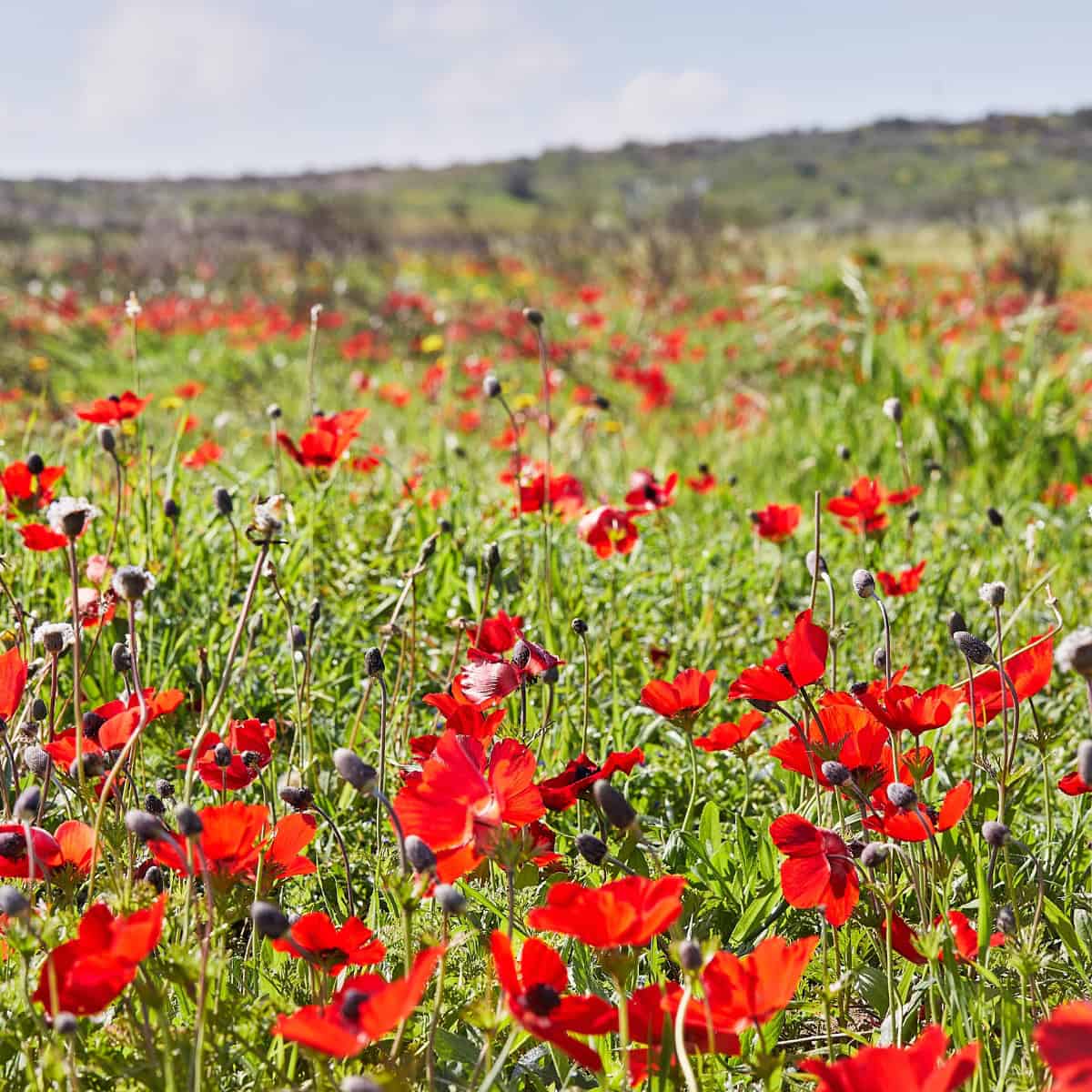
Jesus said, “Consider the lilies of the field…” (Matthew 6:28), but the flower He likely referred to is the crown anemone, or in Hebrew, Kalanit. These crimson and violet wildflowers carpet the hills of Galilee in spring, blooming without toil or labor—just as He described.
Botanical Background
- Hebrew Name: Kalanit, from Kala (bride)
- Common Colors: Red, white, purple
- Habitat: Fields around Jerusalem and northern Israel
Scripture Reference
“And why are you worried about clothing? Observe how the lilies of the field grow; they do not labor nor do they spin, yet I say to you that not even Solomon in all his glory clothed himself like one of these.”
Matthew 6:28–29 NASB
Spiritual Meaning
- Trust in Divine Care: God dresses the fields more beautifully than kings.
- Unstriving Beauty: No work, yet glorious. That’s grace.
- Bridal Imagery: Like a bride, the anemone speaks of intimacy, joy, and anticipation.
Reflection: Jesus used this flower to ease our anxious hearts—reminding us that if God cares for wildflowers, how much more will He care for His beloved children?
Black Cumin (Nigella sativa) – Seeds of Healing and Wisdom
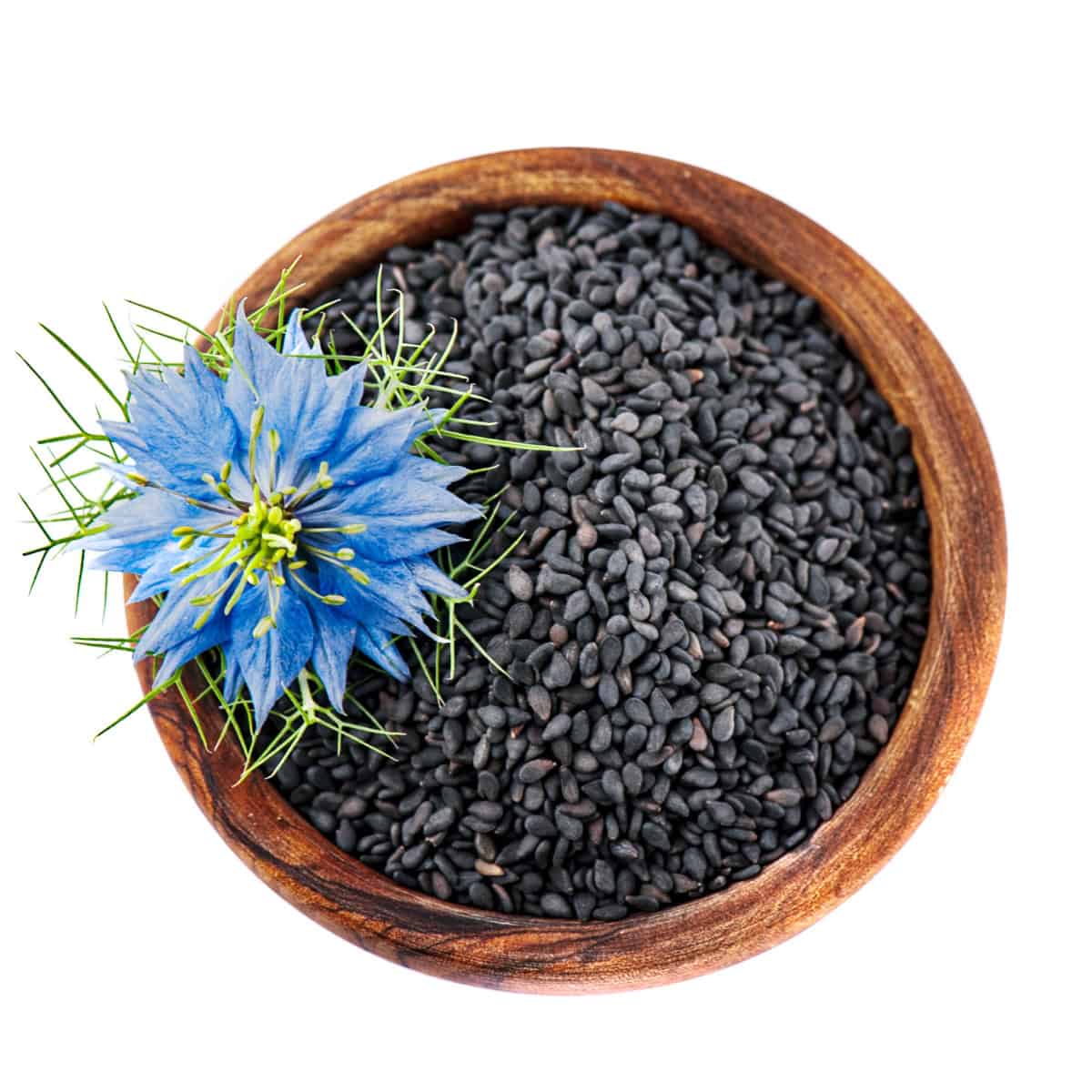
Mentioned in Isaiah 28:25–27, black cumin was known for its fragrant seeds and medicinal uses. This plant—called qetsach in Hebrew—was used for flavor, healing, and even as spiritual protection.
Botanical Background
- Appearance: Delicate blue flowers with feathery foliage
- Seeds: Small, black, triangular with a sharp taste
- Historical Use: Found in King Tut’s tomb, used in Roman and Middle Eastern cuisine
Scriptural Reference
“Does he not scatter dill and sow cumin…”
Isaiah 28:25, NASB
Isaiah uses this plant as part of a parable on God’s wisdom—each seed is treated differently, just as God handles us uniquely.
Spiritual Meaning
- Healing: A long-used remedy—symbolizing the Messiah’s healing touch
- Divine Order: God knows how to handle each life
- Strength in Smallness: Though tiny, these seeds change everything
Reflection: Like the black cumin seed, we may feel small, but God sees our value and uses us for both flavor and healing in a hurting world.
Broom Tree (Retama raetum) – Shelter in the Wilderness
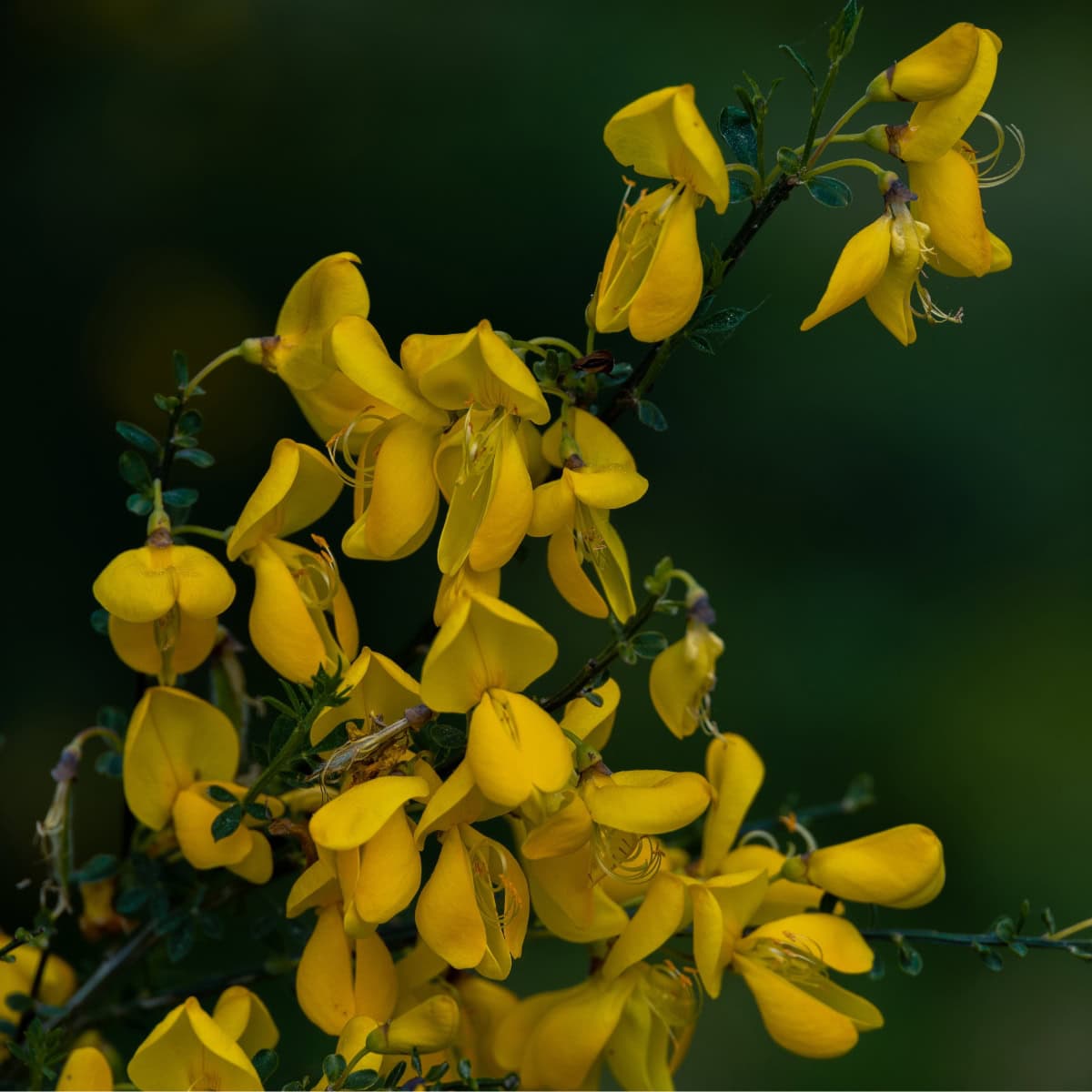
When Elijah fled into the desert, he collapsed under the shade of a broom tree and asked to die (1 Kings 19:4–5). But instead, God met him there—with rest, food, and a gentle whisper.
Botanical Background
- Habitat: Arid wilderness of the Negev
- Flowering: Delicate white blossoms
- Structure: Spindly branches offering sparse but vital shade
Scriptural Reference
“But he himself went a day’s journey into the wilderness, and came and sat down under a broom tree; and he asked for himself to die, and said, ‘Enough!
1 Kings 19:4–5 NASB
Now, Lord, take my life, for I am no better than my fathers.’ Then he lay down and fell asleep under a broom tree; and behold, there was an angel touching him, and he said to him, ‘Arise, eat.’”
Spiritual Meaning
- Despair and Renewal: Elijah’s breakdown became a breakthrough
- Shelter in Suffering: Even in the wilderness, God provides
- God’s Presence in Isolation: Where we think He is absent, He is most present
Reflection: The broom tree reminds us that even in dry places, God offers rest and speaks hope.
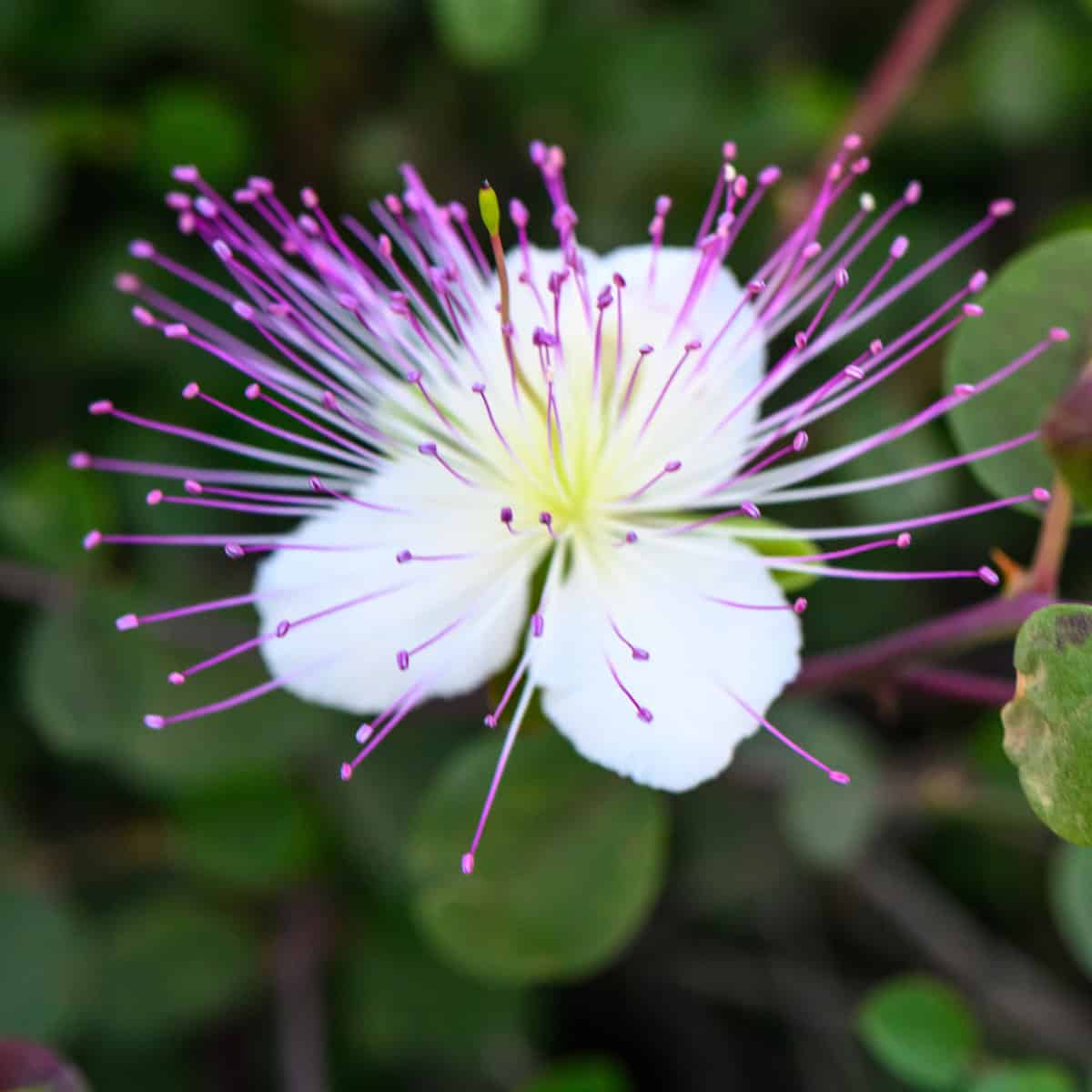
Caper Bush (Capparis spinosa) – The Fleeting Desire
In Ecclesiastes 12:5, the caper berry is mentioned as a symbol of fading desire and aging: “…the caper berry is ineffective, for man goes to his eternal home.”
Botanical Background
- Flowers: Showy white with long purple stamens
- Thorns: Hooked at the base of each leaf
- Use: Pickled buds and berries; known for stimulating appetite
Scriptural Reference
“…the almond tree blossoms, the grasshopper drags itself along, and the caper berry is ineffective—for man goes to his eternal home, and the mourners move about in the street.”
Ecclesiastes 12:5 NASB
Spiritual Meaning
- Ephemeral Pleasure: Earthly desires fade
- Mortality: A reminder of our short life and the urgency of spiritual preparation
- Bittersweet Truths: Delight is good, but fleeting
Reflection: The caper bush asks us to measure our days and anchor our joy in something eternal.
Daffodil (Narcissus tazetta) – Resurrection and Hope
Many believe the Rose of Sharon in Song of Songs 2:1 is a mistranslation, and the flower referred to might actually be the daffodil—a symbol of beauty and new life.
Botanical Background
- Latin Name: Narcissus tazetta
- Appearance: White petals with a yellow cup
- Bloom Time: Late winter to early spring
Scriptural Reference
“The desert shall rejoice and blossom like the crocus…”
Isaiah 35:1–2
Spiritual Meaning
- Renewal: Often one of the first flowers to bloom after winter
- Resurrection: Appearing just after Passover, pointing to Yeshua’s rising
- Hope in Hard Seasons: New life comes when you least expect it
Reflection: Like the daffodil, we are called to bloom after the long winter, announcing hope that will not fade.

Dill (Anethum graveolens) – Tithing and True Priorities
In Matthew 23:23, Yeshua rebuked the Pharisees for tithing dill while neglecting justice, mercy, and faith.
Botanical Background
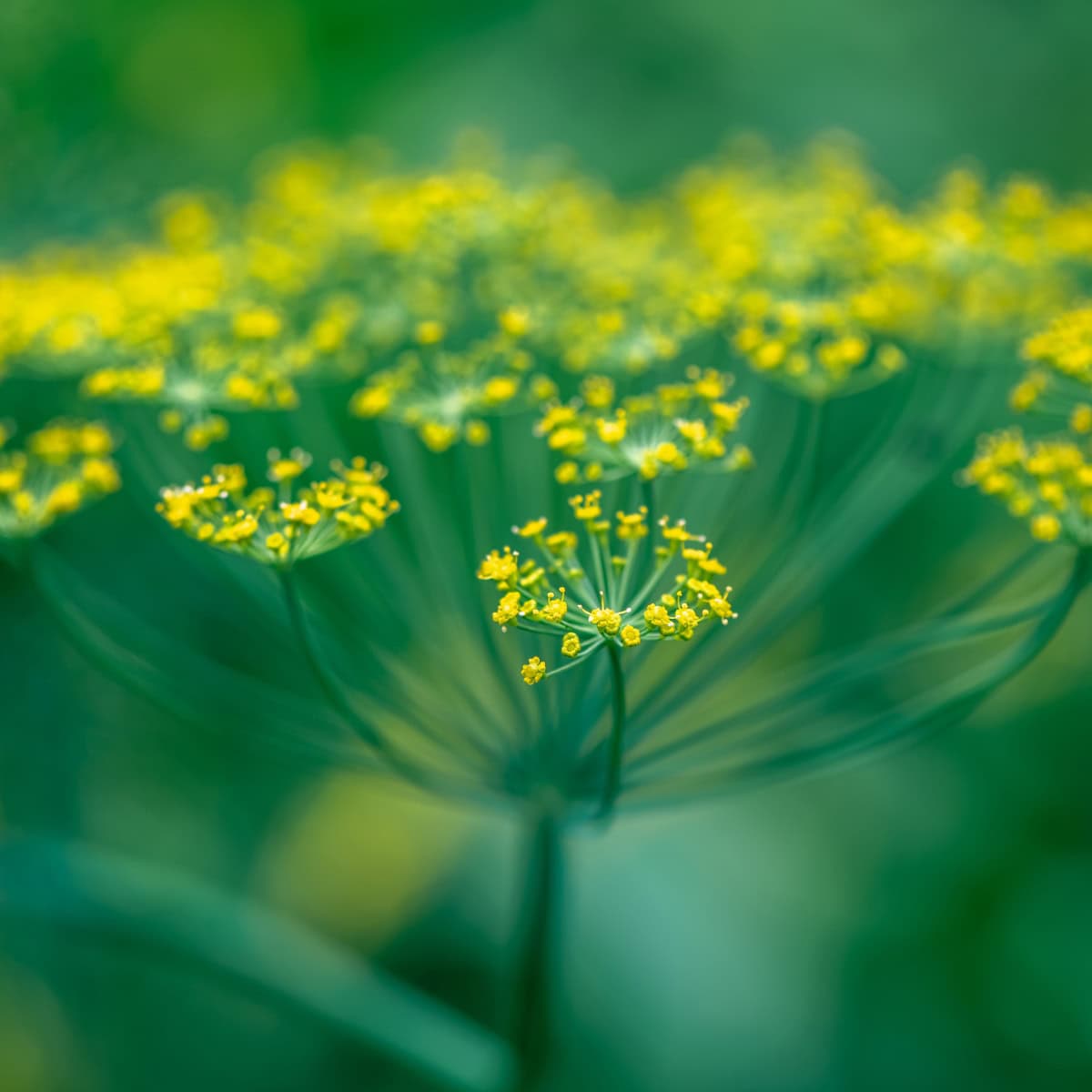
- Appearance: Feathery leaves, yellow flower heads
- Use: Culinary herb with aromatic seeds
Scriptural Reference
“You tithe mint and dill and cumin, and have neglected the weightier provisions of the law…”
Matthew 23:23, NASB
Spiritual Meaning
- Religious Legalism: Small acts of devotion can’t replace heart obedience
- Micromanaged Faith: Don’t miss the forest for the leaves
- Call to Balance: Ritual and righteousness must walk together
Reflection: Dill teaches us that God isn’t after perfect appearances—He’s after our hearts, our justice, and our mercy.
Henna (Lawsonia inermis) – Beauty, Love, and Intimacy
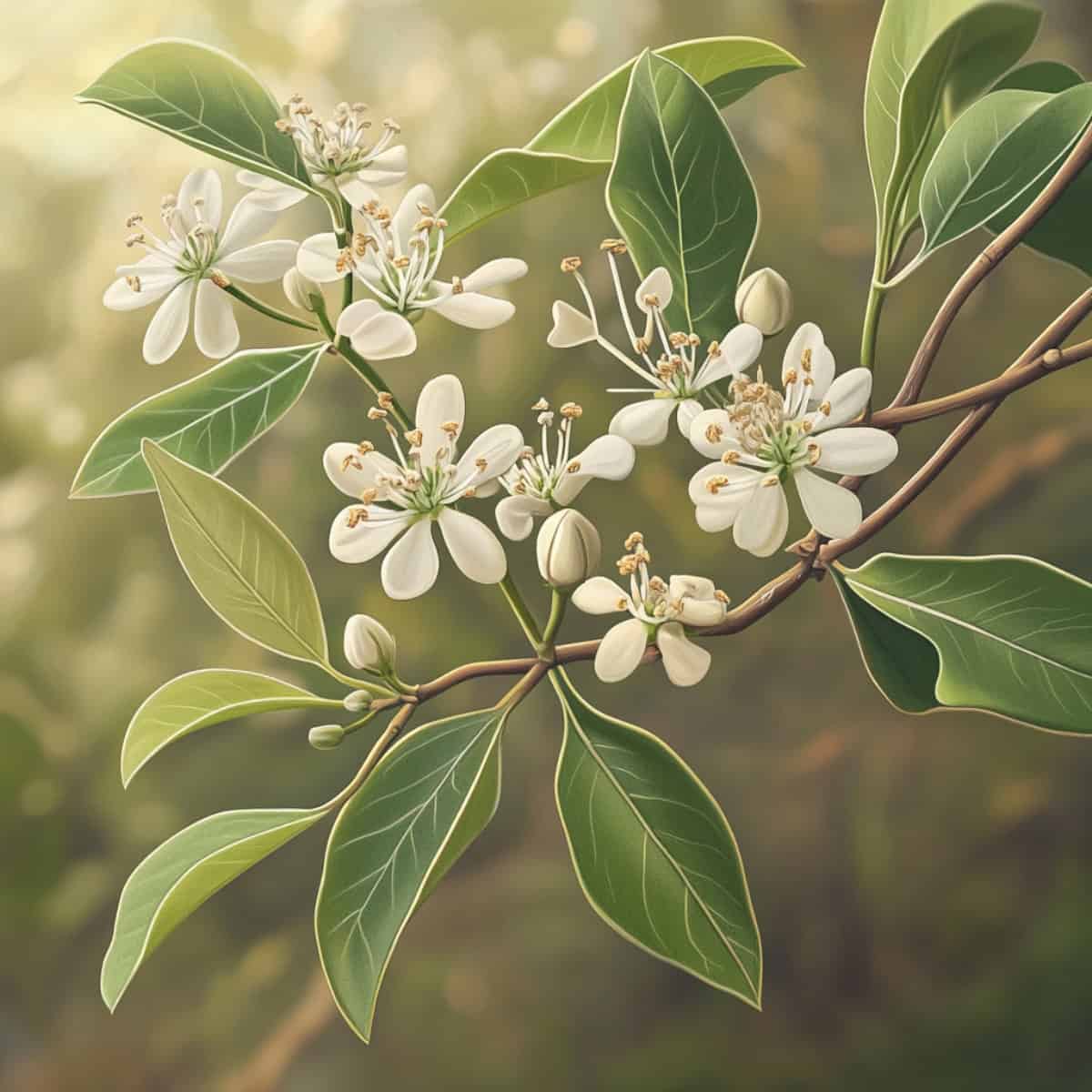
Henna blossoms—referred to in Hebrew as kofer (כֹּפֶר)—are primarily mentioned in Song of Songs.
In Song of Songs 1:14, the beloved says, “My beloved is to me a cluster of henna blossoms in the vineyards of En-gedi.”
Botanical Background
- Other Names: Camphire, Egyptian privet
- Appearance: Small white blossoms with strong fragrance
- Use: Natural dye for hair, skin, fabrics
Scriptural Reference
““Your shoots are an orchard of pomegranates with choice fruits, henna with nard plants…””
Song of Songs 4:13 NASB
Spiritual Meaning
- Love and Intimacy: The blossom of deep relational delight
- Adornment: Used by brides—points to the Bride of Messiah
- Devotion: An offering of beauty and love
Reflection: Henna shows us the joy of being beloved—chosen, noticed, delighted in by the King of Kings.
Hyssop (Origanum syriacum) – Cleansing and Sacrifice
Hyssop appears across the Bible in moments of purification and redemption—from Passover to the Crucifixion.
Botanical Background
- Hebrew Name: Ezov
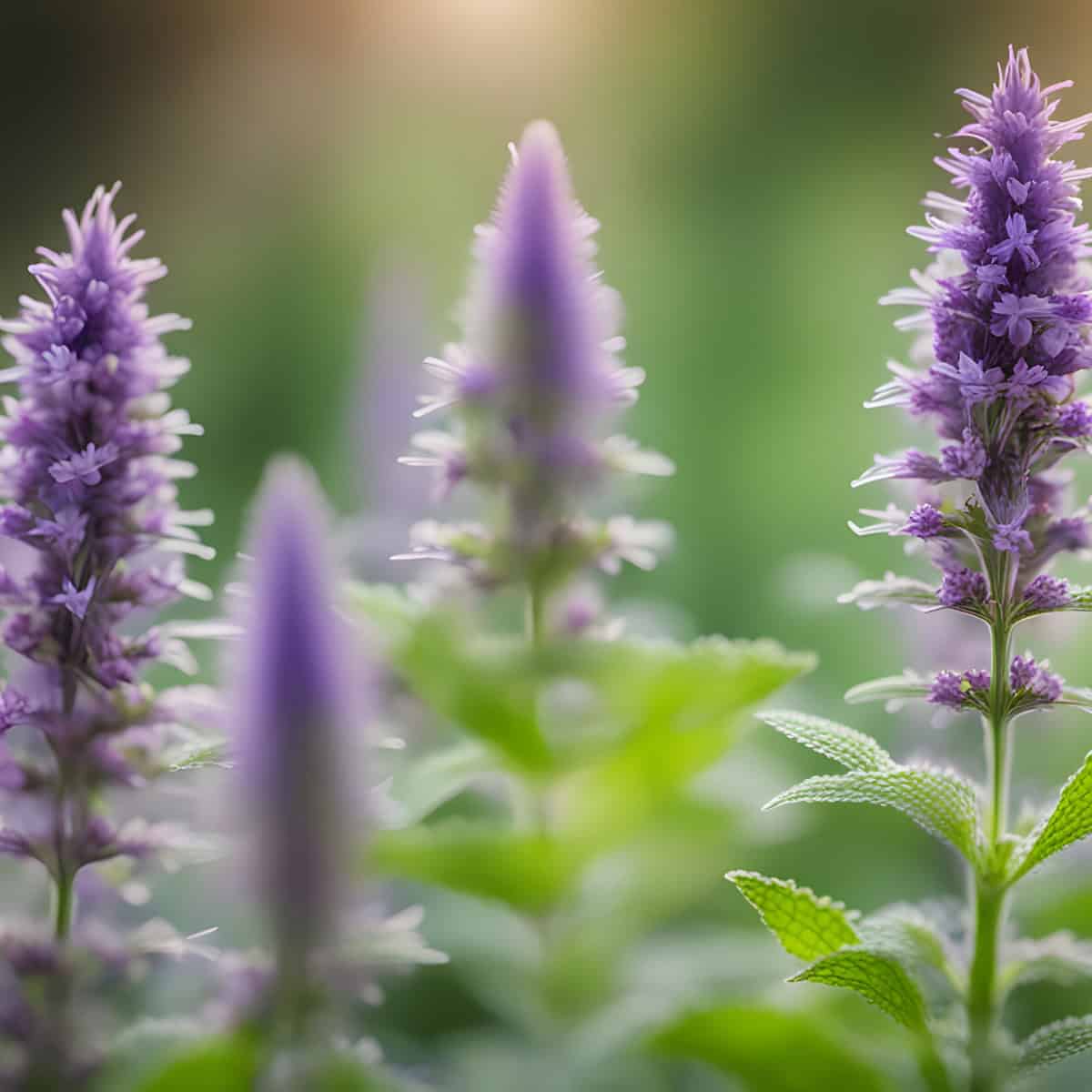
- Structure: Woody herb with small white-purple flowers
- Use: Used as a brush in ritual purification
Scriptural References
- “Purge me with hyssop, and I shall be clean…” (Psalm 51:7)
- “They put a sponge full of sour wine on a hyssop branch and held it to His mouth.” (John 19:29)
Spiritual Meaning
- Purification: Used in cleansing lepers and homes
- Humility: Small plant, great purpose
- Redemption: Present at the crucifixion—connecting Exodus and the Cross
Reflection: Hyssop is a sacred thread through Scripture’s most redemptive moments, reminding us that cleansing comes through humility and sacrifice.
My Final Thoughts
Flowers in the Bible and their meaning open a window into God’s character and His ways of working with us. They remind us that beauty can be brief, but its message endures. Some teach us to trust, others to hope, some to cleanse, and still others to let go.
So the next time you see a wildflower or smell herbs in the kitchen, pause. The same God who clothes the lilies is writing something beautiful in your life too.
Check out one of these recommended resources:
Sacred Flowers, Holy Trees, & Blessed Thorns: Fifty Plants in the Life of Jesus by Ami Tamir
Trees, Fruits, and Flowers of the Bible by Peter Goodfellow
What else comes to mind when thinking about flowers in the Bible and their meaning? Take some time to dive deep into researching the vast number of plants listed in Scripture and discover how these can uplift you spiritually.
NASB – “Scripture quotations taken from the NASB. Copyright by The Lockman Foundation“

About Our Author
Sergio DeSoto is a Sephardic-Ashkenazi Jew who follows Yeshua and holds to Scripture alone. No denomination. No rabbinic tradition. No Talmud. Just the text. He is the founder of The Scholar’s Table, a Hebraic-first biblical scholarship platform at sergiodesoto.com, where the Tanakh speaks first and Western theological frameworks answer to it. He is a high school dropout who outscored the system, a husband of 34 years, a father of six, and the inventor of The Bad Wrap vehicle wrap design software. He built careers without credentials, twice. His life verse is 1 John 2:6. Not as a motto. As a standard. He writes because most people have never been given permission to actually think about what the text says.
Hello, You did a wonderful job on your Bible flowers and there meaning! But where is the I through Z list?
Thank you!